Why Formatting Mistakes Instantly Reduce Credibility
Why Formatting Mistakes Instantly Reduce Credibility
TEXT CASE CONVERTER
(Uppercase, Lowercase, Sentence Case, Capitalize — SEO-grade supporting blog)
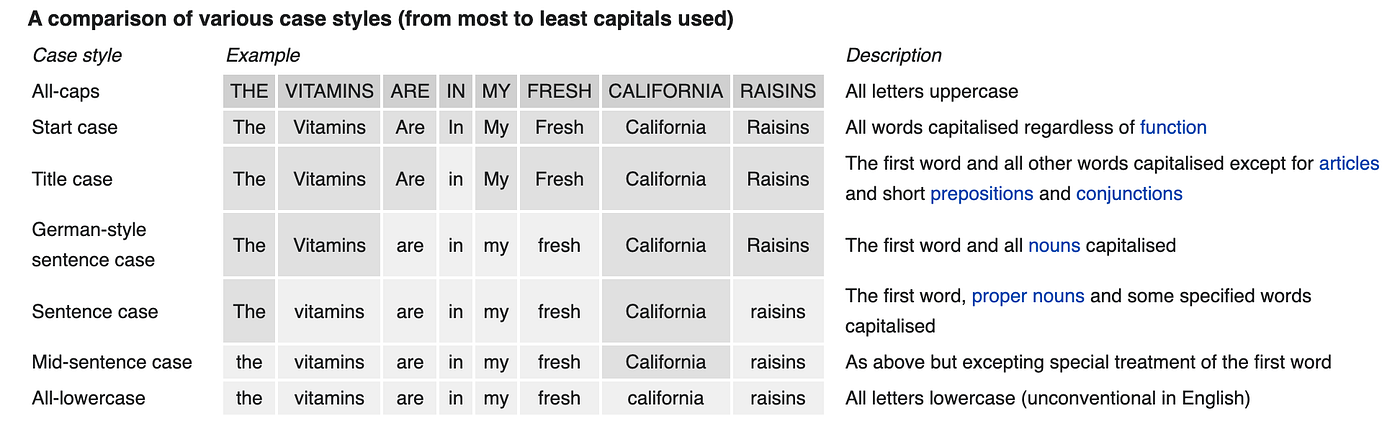
Text formatting seems simple—until it breaks your workflow.
A paragraph typed in ALL CAPS, a title pasted in random casing, or content copied from different sources with inconsistent capitalization can instantly make writing look unprofessional.
That’s why a Text Case Converter is one of the most quietly powerful writing tools online.
In this guide, you’ll learn:
What text case conversion really is
When and why different cases are used
How a case converter works
Who needs it (and why more people should use it)
Common mistakes with capitalization
Best practices for clean, readable text
What Is a Text Case Converter?
A text case converter is an online tool that changes the capitalization style of text instantly, without altering the words themselves.
It allows you to convert text into formats such as:
UPPERCASE
lowercase
Sentence case
Capitalized Case (Title Case)
Alternating case (in some tools)
Instead of manually retyping or fixing formatting line by line, you convert everything in one click.
Why Text Case Matters More Than You Think
Capitalization affects:
1. Readability
ALL CAPS feels aggressive and hard to read
Proper casing improves comprehension
Sentence case feels natural and human
2. Professionalism
Incorrect casing looks careless
Clients, editors, and recruiters notice formatting first
3. Platform rules
Different platforms expect different casing:
Forms → Sentence case
Headlines → Capitalized case
Code/data → Lowercase
Labels & warnings → Uppercase
Using the wrong case can hurt clarity—or even credibility.
Types of Text Cases (With Real Use Cases)
UPPERCASE
Example:
THIS IS UPPERCASE TEXT
Used for:
Warnings
Labels
Short headings
Emphasis (sparingly)
⚠ Overuse reduces readability.
lowercase
Example:
this is lowercase text
Used for:
Programming
URLs
Informal writing
Data normalization
Clean, minimal, but not ideal for titles.
Sentence Case
Example:
This is sentence case text.
Used for:
Articles
Essays
Blog content
Formal writing
This is the most natural reading format.
Capitalized Case (Title Case)
Example:
This Is Capitalized Case Text
Used for:
Blog titles
Headlines
Book titles
UI labels
Looks structured and professional when used correctly.
Who Needs a Text Case Converter?
Writers & Bloggers
Fix copied text
Format headings
Standardize articles
Students
Clean up assignments
Format answers properly
Avoid rejections for formatting errors
Job Seekers
SOPs
Cover letters
Application responses
Marketers
Ad copy
Headlines
CTA buttons
Developers & Data Handlers
Normalize text
Convert labels
Prepare datasets
If you copy text from anywhere, you’ll benefit from a case converter.
How an Online Text Case Converter Works
Behind the scenes, the tool:
Reads your input text
Identifies letters and word boundaries
Applies capitalization rules
Preserves spacing and punctuation
Outputs converted text instantly
This happens:
In real time
Without saving your content
Inside your browser
No downloads. No logins.
Manual Editing vs Case Converter
Manual Editing
Time-consuming
Error-prone
Easy to miss words
Online Case Converter
One click
100% consistent
Handles large text blocks instantly
Manual casing is inefficient—especially for long content.
Common Capitalization Mistakes (Very Common)
❌ Writing titles in sentence case
Looks weak and unstructured.
❌ Using ALL CAPS for long text
Hurts readability and looks aggressive.
❌ Mixing cases in the same document
Breaks flow and professionalism.
❌ Copy-pasting without formatting
Imports hidden casing problems.
A text case converter fixes all of these instantly.
Case Conversion and SEO (Yes, It Matters)
While capitalization doesn’t directly affect rankings, it impacts:
Readability
User engagement
Click-through rates (titles)
Bounce rates
Clear formatting keeps users reading longer—and that helps SEO indirectly.
Privacy & Safety
Good text case converters:
Do not store your text
Do not track content
Process everything temporarily
Still, avoid pasting:
Passwords
Private legal documents
Confidential business data
For general writing, they are safe to use.
Best Practices for Using a Case Converter
Write freely first
Fix casing last
Match platform expectations
Keep titles consistent
Avoid excessive capitalization
Use casing to support meaning, not replace it.
Frequently Asked Questions (FAQ)
Is a text case converter free?
Yes, most are completely free.
Can it handle large text?
Yes, long articles and essays work fine.
Does it change words or only case?
Only capitalization—words remain unchanged.
Can I use it on mobile?
Yes, browser-based tools work on phones.
Does punctuation affect conversion?
No, punctuation is preserved.
Final Thoughts: Why This Tool Saves More Time Than You Think
Text case errors are small—but fixing them manually wastes time and energy.
A text case converter:
Improves clarity
Saves time
Prevents formatting mistakes
Keeps writing professional
It’s a simple tool—but once you start using it, you won’t go back.


Comments
Post a Comment